For regulated businesses in the UK, meeting anti-money laundering (AML) obligations while keeping onboarding efficient can be a challenge. As regulatory expectations evolve, many firms are looking for ways to strengthen compliance without creating additional administrative burden.
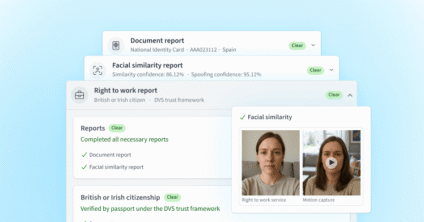
At Amiqus, we help regulated organisations manage identity verification, anti-money laundering checks, and onboarding. In this article, we explore the challenges shaping modern AML compliance, where firms commonly encounter friction, and how you can build a more efficient approach without compromising on compliance.
Why AML compliance is becoming more complex
Meeting AML obligations is no longer simply about completing checks at the start of a client relationship. Regulators expect firms to understand risk, apply appropriate controls, and maintain clear records throughout the client lifecycle.
At the same time, client expectations continue to change. People expect onboarding processes to be straightforward, digital, and quick to complete. Long delays and delayed information can create frustration before a relationship has even begun.
This leaves many firms balancing competing priorities. You need confidence in your compliance processes while also delivering an experience that reflects the quality of your service.
The firms that manage this balance well tend to view AML as part of a wider onboarding strategy rather than a standalone compliance requirement.
Understanding AML regulations in the UK
The UK’s AML framework is designed around risk. Rather than treating every client the same, firms are expected to assess the level of risk associated with a relationship and apply appropriate controls.
The legal framework includes the Proceeds of Crime Act, the Terrorism Act, and the Money Laundering Regulations. Together, these regulations set expectations around due diligence, ongoing monitoring, record keeping, and reporting.
Applying a risk-based approach
Different teams may assess risk differently. Processes can vary between offices. As onboarding volumes increase, maintaining consistency becomes more difficult without clear workflows and reliable systems.
A strong risk-based approach helps you focus attention where it matters most while maintaining a proportionate experience for lower-risk clients.
Due diligence is only the starting point
Customer due diligence remains an essential part of compliance. You need confidence in who your clients are, who ultimately controls organisations, and whether additional scrutiny may be required.
This often includes:
- Identity verification
- Beneficial ownership checks
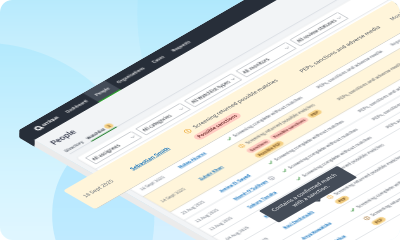
- Sanctions screening
- Politically exposed person screening
- Risk assessments
- Enhanced due diligence where appropriate
The Money Laundering Regulations themselves make clear that firms should continue to assess risk throughout the relationship, not only during onboarding.
Common AML risks businesses face
Many compliance challenges arise because processes become difficult to manage as firms grow.
What works for a small team handling a limited number of onboarding cases may become difficult to sustain when volumes increase and regulatory expectations become more demanding.
Manual processes create friction
Many organisations still rely on spreadsheets, email chains, shared folders, and multiple disconnected systems.
This often results in:
- Repeated requests for information
- Unnecessary admin
- Longer onboarding times
- Reduced visibility across cases
- Increased risk of human error
- Difficulty maintaining audit trails
These challenges affect both compliance teams and clients. They can slow onboarding, increase workloads, and make it harder to demonstrate compliance when required.
Consistency becomes harder to maintain
Regulators expect firms to show how decisions were made and why a particular level of due diligence was applied.
Without standardised processes, decision-making can vary between teams and individuals. This creates unnecessary risk and can make compliance reviews more challenging.
Consistency is not about treating every client identically. It is about ensuring similar risks are assessed and managed in a similar way.
Auditability is vital
Completing checks is only one part of compliance. You also need a clear record of what was checked, what risks were identified, and how decisions were reached.
If concerns arise, firms may need to submit a Suspicious Activity Report. Clear records and well-defined processes help ensure concerns are identified, escalated, and managed appropriately.
Building an effective AML framework
The most effective AML frameworks help you maintain confidence in compliance without creating unnecessary friction for clients or internal teams.
Strong processes support consistency, improve visibility, and make it easier to manage compliance as your organisation grows.
Start with identity verification
Confidence in a client’s identity supports every other compliance activity that follows.
Reliable identity verification helps reduce risk from the outset while creating a smoother onboarding experience. Digital processes can also reduce manual administration and help teams work more efficiently.
Create a consistent onboarding journey
Clients should not experience different onboarding processes depending on which team or individual handles their case.
Clear workflows help create a more consistent experience while ensuring the right compliance controls are applied at the right time. This reduces uncertainty for both clients and employees.
Consistency also makes compliance easier to evidence during audits and reviews.
Use technology to support compliance at scale
Technology can help remove much of the administrative burden associated with AML compliance.
The right platform can help you:
- Verify identities more efficiently
- Manage due diligence activities
- Maintain clear audit trails
- Reduce manual administration
- Improve visibility across onboarding activity
- Apply processes consistently
The goal is to give your teams the tools they need to make informed decisions while spending less time managing administrative tasks.
Understanding anti-money laundering in the UK from Amiqus
AML compliance is most effective when it becomes part of a wider onboarding strategy. When compliance processes are consistent, auditable, and easy to manage, firms can reduce risk while creating a better experience for clients and internal teams.
At Amiqus, we help regulated organisations bring identity verification, anti-money laundering checks, and onboarding workflows together in one place. By reducing manual administration and creating clear, consistent processes, we help you maintain confidence in compliance while making onboarding simpler for everyone involved. Get in touch to get started.