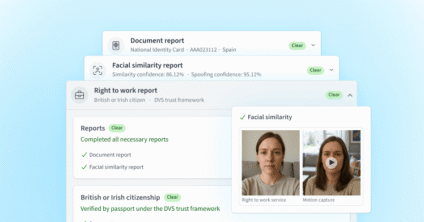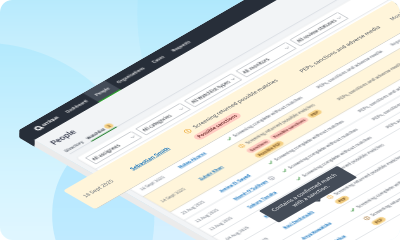
Amiqus started with a practical problem: organisations had to navigate a fragmented compliance landscape with checks scattered across multiple systems, each with their own logins and workflows.
We brought all those checks together in one platform, creating a single source of truth. Once organisations experienced that, the next question followed naturally:
If connecting checks to each other creates this much value, what happens when you connect compliance to the rest of the business?
That’s where integrations become a lever for operational efficiency.
Efficiency is now a competitive advantage
Across many industries, speed matters more than ever.
In staffing and recruitment especially, time to hire has become a defining metric. Whether the market favours candidates or clients, delays are costly. They lead to lost placements, disengaged candidates, frustrated hiring managers, and increased operational overhead.
In that context, every unnecessary step in the hiring process matters.
Compliance is essential. It’s non-negotiable. But the way compliance is delivered can either support speed or quietly undermine it.
Too often, compliance still sits outside the systems where hiring actually happens. Recruiters work in an applicant tracking system, then have to switch context, log into a separate background checking platform, re-enter candidate details, and manually track progress. Updates are chased. Information is copied back. The process slows down.
Individually, each step feels small. At scale, they add up quickly.
Connecting compliance to hiring workflows
This is where integrating compliance into core business systems changes the equation.
With applicant tracking system integrations, compliance checks are no longer something teams have to “go and do” elsewhere. They become part of the hiring workflow itself.
A recruiter reviews a candidate in their ATS. From there, they can initiate the required background checks directly, without leaving the system they already use every day. No context switching. No additional logins. No duplicate data entry.
As checks progress, updates flow back automatically. Everyone involved can see the status in the same place they manage the rest of the hiring process.
These might sound like small conveniences. In reality, they’re powerful efficiency gains. When you’re hiring at volume, shaving minutes off each step compounds into hours saved, faster placements, and lower operational cost.
That’s why we’ve invested in applicant tracking system integrations with platforms like Greenhouse, Bullhorn, and Teamtailor. Not because integrations are fashionable, but because they directly support faster, cleaner hiring operations.
Compliance as part of business operations, not a bolt-on
This shift reflects a broader change in how modern organisations operate.
The most effective businesses don’t just choose good tools. They choose tools that work well together. They design processes where data flows naturally, handoffs are minimised, and teams aren’t burdened with manual work that software should be doing for them.
From that perspective, integrations aren’t about adding complexity. They’re about removing it.
Amiqus’ role has evolved alongside that thinking. We started by connecting checks together because the fragmented alternative was inefficient and unsustainable. Now, we’re focused on connecting compliance into the wider operational fabric of our customers’ businesses.
That means compliance fits into hiring systems, case management platforms, and broader workflows rather than sitting alongside them.
Looking ahead
Businesses will continue to adopt specialised tools. What will increasingly matter is how well those tools integrate, and how seamlessly they support end-to-end processes.
For compliance, the future isn’t more dashboards or more logins. It’s fewer. It’s compliance that’s embedded, automated where possible, and aligned with the way organisations actually work.
Amiqus exists because the old way of managing checks was inefficient. The next chapter is about ensuring compliance doesn’t just live in one place, but lives in the right places across the business.
Because when your checks are connected to your operations, efficiency isn’t something you chase. It’s something you build in.