There’s a basic security flaw in how employers verify their employees and temporary workers. Remote work has created a real gap that employees are exploiting and AI is accelerating.
It’s built into the way firms onboard and verify their workforces. And it’s leaving them exposed to right-to-work fraud, bad actors, and unauthorised job-sharing.
The gap nobody talks about
It starts with a firm’s hiring process. When a firm hires someone, they verify the person. Identity documents, biometric matching, video calls or in-person meetings. The individual is checked before they’re given access.
But once that worker is onboarded, verification shifts from the person to their device.
Think about it – when you log on remotely, you’re asked to verify your password and your two-factor-authentication, but you are not asked to verify that it is actually you working today. The firm knows the right device is being used with the right credentials but they can’t be sure who’s in possession of them.
Employers verify the device, not the person. This gap opens the door to job-sharing, impersonation, malicious actors, and right-to-work fraud. The firm may have hired the right person, but it has no way to confirm it’s that same person working today.
Why this risk is growing
This wasn’t always a practical problem. When everyone worked on-site, managers had direct oversight of their teams. Remote and hybrid working changed that – and the verification practices most firms rely on haven’t kept pace.
AI has made it worse. Deepfake technology can now generate convincing video and audio that passes a human check. The person on your onboarding call may not be who they claim to be. The person submitting work today may not be the person you originally verified.
According to CIFAS, one in eight employees of large businesses report sharing or selling their login credentials to others. That’s not a niche problem – it’s happening at scale, right now. Firms that can demonstrate ongoing verification will be in a much stronger position than those relying on a one-time check at the point of hire.
The supply chain makes it harder
The risk doesn’t stop at your direct workforce.
Under the Border Security, Asylum and Immigration Act 2025, liability for illegal working extends into your supply chain. Contractors, subcontractors, and gig economy workers are all in scope. If someone without the Right to Work is carrying out work on your behalf – even if you didn’t hire them directly – you could be liable.
Fines run to up to £60,000 per worker. The question isn’t whether your direct employees are verified. It’s whether you can say the same about everyone working under your name.
What reverification looks like in practice
Amiqus closes this gap with ongoing workforce reverification – a spot check for the digital age.
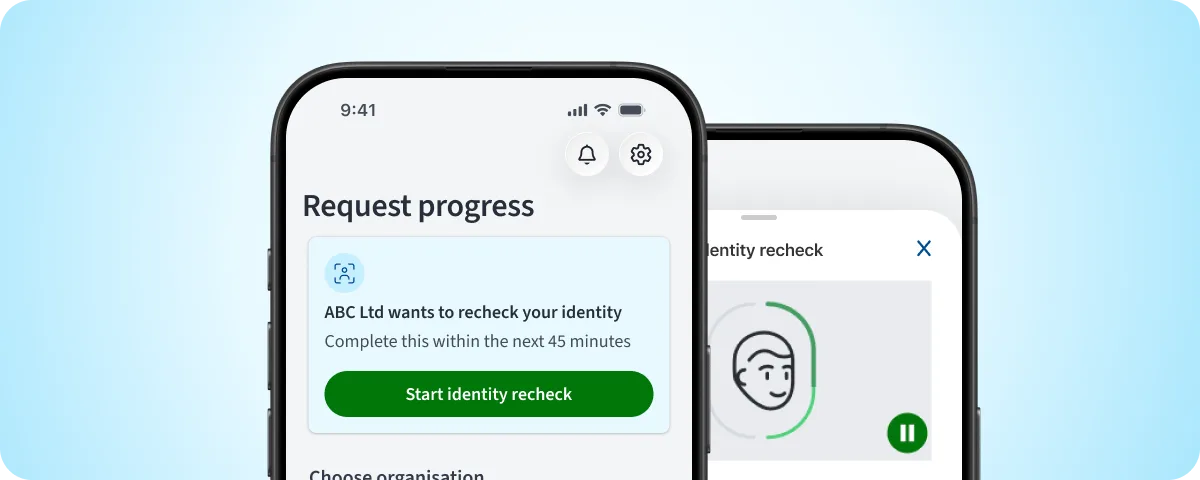
Once a worker is active, you configure recurring prompts that ask them to complete a short motion liveness check on their phone. They can do this on the move, within a set time window, with location data captured if needed. The recording is matched against the photo ID document already held on file – confirming that the person working for you today is the person you originally hired.
For the worker, it takes seconds. There’s no awkward phone call, no admin burden, no disruption to their day. For the business, it creates a documented, time-stamped record of ongoing verification.
It can run automatically, on whatever schedule makes sense for your workforce – daily, weekly, or triggered by specific events.
Firms that get ahead of this now won’t just reduce their exposure – they’ll be able to demonstrate to clients and regulators that their workforce is verified and compliant. That’s a meaningful advantage when the bar is rising for everyone.
If you want to explore Reverification, get in touch today.
Already an Amiqus client?
Speak to your relationship manager or contact [email protected]