Right to rent checks are part of the UK’s wider approach to making sure private rented homes are occupied by people who have the legal right to live in the UK. For landlords, agents, and property teams, the checks are a legal step before a tenancy starts, not a box to tick later.
At Amiqus, we help organisations make regulated checks faster, clearer, and easier to manage. Our digital right to rent checks support secure document collection, identity verification, and audit-ready records in one platform. In this article, we’ll explain what right to rent checks are, where the rules come from, and how online verification has changed the process.
What right to rent checks are
A right to rent check confirms whether an adult can legally rent residential property in England. The rules apply to adults who use the property as their only or main home, whether or not they’re named on the tenancy agreement. The scheme is currently in force only in England, not the wider UK.
The check needs to happen before the tenancy starts. It gives landlords and letting agents a way to establish what the Home Office calls a “statutory excuse”. In simple terms, this means evidence that the right check was carried out in the right way, at the right time.
The exact route depends on the person’s status and documents. British and Irish citizens can usually prove their right to rent with a passport, Irish passport card, or other accepted documents. Some tenants use a Home Office share code instead, especially where their immigration status is digital.
The legal framework behind right to rent checks in England
The right to rent scheme sits under the Immigration Act 2014. The rules say landlords should not allow an adult to occupy property as their only or main home under a residential tenancy agreement in England if that person is disqualified because of their immigration status.
The scheme was introduced in stages. It first applied to residential tenancy agreements in parts of the West Midlands from 1 December 2014, then across the rest of England from 1 February 2016.
The main duties are straightforward, but they need to be followed carefully:
- Check every adult who will live at the property as their only or main home
- Carry out the check before the tenancy begins
- Use an accepted method, such as a manual document check, a Home Office online check, or an eligible digital identity check
- Keep a clear record of the check and the date it was completed
- Carry out follow-up checks when someone has a time-limited right to rent
Civil penalties increased under the 2024 code of practice. For landlords, a first breach can now be up to £5,000 per lodger or £10,000 per occupier. Repeat breaches can be up to £10,000 per lodger or £20,000 per occupier.
That does not mean the process needs to feel heavy. The aim is to build a consistent, fair, and repeatable way to check eligibility, keep evidence, and avoid last-minute confusion.
How online right to rent verification has changed the process
Right to rent checks used to depend heavily on in-person document checks. That could slow things down for tenants, landlords, and agents, especially where people were moving quickly, living elsewhere, or managing the process around work.
Digital options now support a more flexible process. The government introduced Identity Document Validation Technology to support right to work, right to rent, and pre-employment Disclosure and Barring Service checks from 6 April 2022.
For right to rent, there are now three main routes.
- A manual right to rent check for accepted physical documents
- A Home Office online right to rent check, usually where the tenant provides a share code
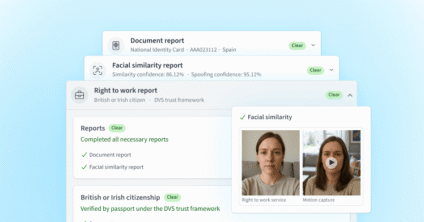
- A digital identity check through an Identity Service Provider using Identity Document Validation Technology, for British and Irish citizens with a valid passport or Irish passport card
These routes are not interchangeable for every tenant. British and Irish citizens cannot get a share code for right to rent, so they usually prove eligibility with original documents or an eligible digital check. Some non-British and non-Irish citizens prove their right to rent through the Home Office online service, especially where they have an electronic visa.
Digital checks can make the process easier for property teams because evidence is collected in a more consistent way. Tenants can complete checks remotely, while landlords and agents can keep a clearer record for inspections, audits, and internal reviews.
At Amiqus, we provide certified digital right to rent checks. Our platform helps teams verify right to rent status, collect and verify documents securely online, manage the process remotely from request to outcome, and keep a clear record of checks.
Streamline your right to rent checks with amiqus
Right to rent checks in England are there to confirm that adults can legally rent residential property. The process protects landlords and agents when it’s done properly, but it also needs to work for tenants. Clear steps, secure handling, and fair treatment all matter.
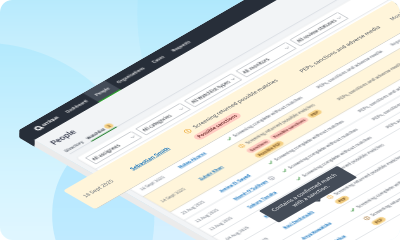
At Amiqus, we help property teams run right to rent checks with less back-and-forth and more confidence. Our certified digital verification brings right to rent checks into the same platform as identity verification, anti-money laundering checks, and other onboarding workflows, helping you stay compliant while keeping the process simple for the people completing it. Get in touch today to find out more.
Find out more about right to rent check best practices >
Learn how to choose the best digital ID verification software >