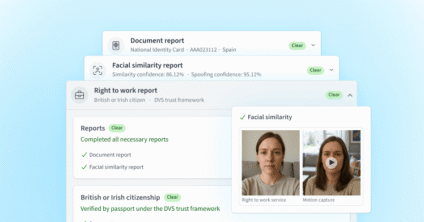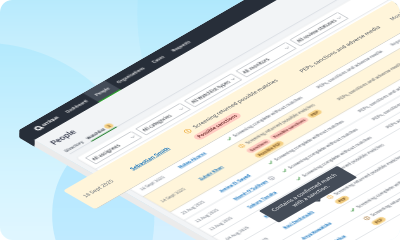
If you’ve been keeping an eye on the latest from HM Treasury and DSIT, you’ll have seen that the landscape for Anti-Money Laundering (AML) compliance just got a lot clearer. The government has officially published its new guidance on Using Digital Identities with the Money Laundering Regulations.
For those of us in the legal and professional services sectors, this is a significant milestone. It essentially confirms that digital verification isn’t just a “modern alternative” – it’s a recognised, reliable way to meet your Customer Due Diligence (CDD) obligations under Regulation 28.
While the underlying Regulations haven’t changed, this guidance adds important colour to how regulated firms can meet their obligations. Specifically, it confirms that certified Digital Verification Services (DVS) providers on the DVS Register are a suitable route for identity verification as part of customer due diligence. It’s a meaningful step, and one that reflects a broader shift in how regulators view digital-first compliance.
The headline?
To be considered “suitable” for AML checks, a digital identity provider must now be certified under the UK Digital Verification Services Trust Framework and appear on the government’s official register.
- Firms can use a certified DVS provider to verify the identity of customers as part of their CDD process
- This applies to regulated firms carrying out checks under the Money Laundering, Terrorist Financing and Transfer of Funds (Information on the Payer) Regulations 2017 (MLRs)
- Providers must meet the standards set out under the UK Digital Verification Services (DVS)Trust Framework, which defines confidence levels for identity verification from low through to high
What it means in practice
For firms that have been cautious about adopting digital identity checks, this update removes a key point of uncertainty. Using a certified DVS provider is no longer a grey area and now named as an explicitly endorsed route to meeting your CDD obligations.
For those already using Amiqus, your compliance process just got an even clearer regulatory endorsement.
Why “suitable” Digital ID is just the starting line
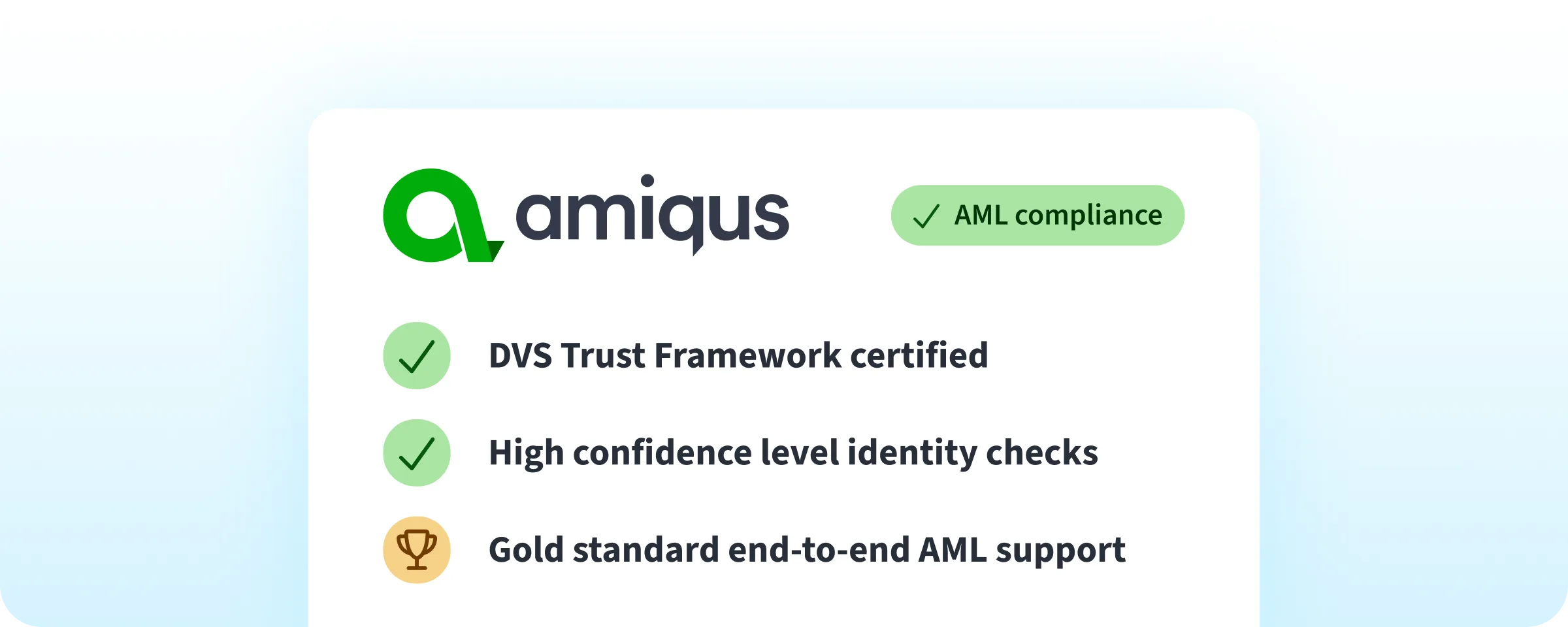
The updated guidance sets the stage on what’s acceptable, but being suitable is a baseline. Amiqus is certified to deliver identity verification at the highest levels of confidence under the DVS Trust Framework – not just meeting the requirements, but exceeding them. By going beyond the minimum requirements, we provide a level of rigour that doesn’t just satisfy the regulations but future-proofs your firm against evolving threats.
That means:
- Verification built on the most rigorous identity assurance standards
- A process your clients trust and regulators recognise
- Faster, more accurate checks without compromising on depth
If you’re using Amiqus for identity verification, you can carry on with even greater confidence that your CDD process is built on a solid regulatory footing. If you’d like a clearer picture of exactly how your current setup stacks up to the updated regulations, drop us a note and we’ll walk you through it.
For firms that have been weighing up whether to move away from manual processes, this update removes a key point of hesitation.
Chat to our team today about what switching looks like (spoiler – it’s easier and faster than you might think).