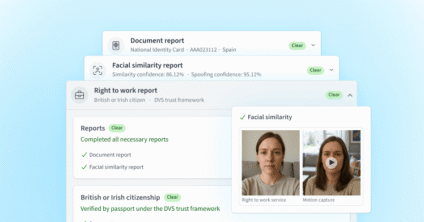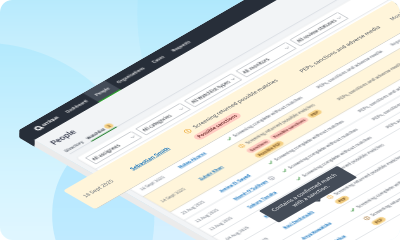
A strong candidate vetting process helps you hire with confidence. It helps you confirm identity, check the details that matter, and get new hires ready to start in line with your legal and compliance responsibilities.
When your process is clear, you reduce risk, cut admin, and give candidates a smoother experience.
Amiqus brings identity verification, right to work checks, Disclosure and Barring Service checks, Baseline Personnel Security Standard screening, and employment references into one secure onboarding journey. This article explains why candidate vetting matters, which checks to include, and how to make the process easier to manage.
Why an effective candidate vetting process matters
Candidate vetting helps you run a hiring process that is consistent, accurate, and easier to control. You check the right information at the right stage, keep a clear record of each step, and avoid gaps that appear when teams rely on inboxes, spreadsheets, and disconnected systems.
Some checks are legal requirements. For example, you need to complete right to work checks before employment starts. You also need to keep the right record to support compliance. The current Home Office guidance that applies to checks conducted on or after 12 February 2025 sets out the prescribed actions employers need to follow.
Other checks depend on the role, sector, and level of risk. These may include identity verification, employment references, Disclosure and Barring Service (DBS) checks, or Baseline Personnel Security Standard (BPSS) screening. The goal is clear: confirm that the person is who they say they are, has the right to work, and meets the screening requirements for the role.
The key steps in the candidate vetting process
Most vetting processes follow the same core steps. The exact checks depend on the role.
Identity verification
Identity verification helps you confirm that the candidate is who they claim to be. It sets a clear foundation for the rest of the process. It also matters more when you hire remotely or at scale.
Right to work checks
Right to work checks are a core compliance requirement for UK employers. You need to complete the prescribed check before employment starts and keep the right record. Digital right to work checks can help you improve consistency, reduce manual effort, and retrieve records more easily later.
Employment references
Employment references help you confirm work history and spot gaps early. They can also help you review role-specific concerns without long email chains or extra admin. Automated reference checks help you collect information in a more consistent way and reduce manual chasing.
DBS checks and other background screening
Some roles require criminal record checks. In other cases, BPSS screening may be needed, especially in government-related or sensitive settings. The best approach is to match the checks to the role. This helps you avoid a one-size-fits-all process.
Compliance considerations when screening new hires
The Information Commissioner’s Office makes it clear that data protection applies throughout the hiring process, including pre-employment vetting. If you use vetting checks, you need to tell candidates about them. You also need to explain what you collect, why you collect it, and how long you keep it.
This matters because vetting often involves sensitive personal data. Identity documents, employment history, contact details, references, and screening outcomes all need careful handling. When records sit across different tools, it becomes harder to stay consistent, protect personal data, and show that the right process was followed.
That is why secure record keeping and audit visibility matter. When you bring checks and outcomes into one secure record, the process becomes easier to manage and easier to evidence.
A strong process helps you:
- give every candidate a clear and consistent journey
- reduce manual errors and repeated data entry
- protect personal data more effectively
- cut avoidable admin for hiring teams
- make checks easier to complete on any device
Candidate vetting process support from Amiqus
A well-run onboarding process helps you hire with confidence, reduce unnecessary risk, and keep onboarding moving. You stay in control without adding more manual work.
Amiqus helps you bring identity verification, right to work checks, Disclosure and Barring Service checks, Baseline Personnel Security Standard screening, and employment references into one platform. You spend less time chasing documents, keep records in one place, and give candidates a smoother experience from start to finish. Contact us today.
Find out how to choose the right ID verification software >
Learn more about the benefits of digital pre-employment checks >